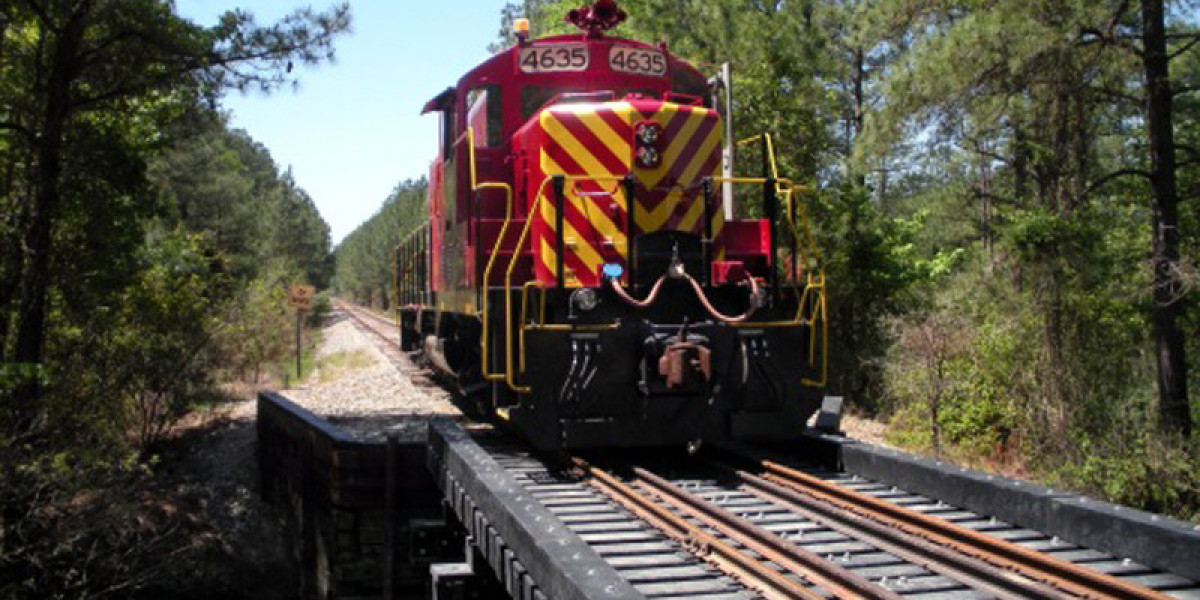

The composite railroad tie market is gaining increasing attention as railway operators seek materials that deliver long-term performance and reduced maintenance costs. Unlike traditional wooden ties, composite railroad ties are engineered using advanced materials that offer enhanced strength, resistance to environmental conditions, and consistent performance over time. Their ability to withstand heavy loads and extreme weather conditions makes them particularly suitable for modern railway systems that demand reliability and efficiency.
The Composite Railroad Tie Market is expanding steadily due to growing investments in railway infrastructure and the need for sustainable alternatives to conventional materials. The market is expected to grow at a CAGR of around 6–7% in certain segments, with global valuations approaching nearly USD 2 billion by 2028 in specific composite segments. Increasing focus on lifecycle cost reduction is encouraging railway operators to adopt composite ties, which offer longer service life and lower maintenance requirements compared to wood and concrete options.
One of the primary growth drivers is the rising demand for high-performance materials in rail networks, particularly in regions with heavy freight traffic and extreme environmental conditions. Composite ties provide consistent performance without the issues of rot, corrosion, or insect damage, making them ideal for long-term infrastructure projects. Additionally, the push toward sustainability and recycling is encouraging the use of materials derived from recycled plastics and rubber. However, challenges such as higher upfront costs and limited standardization across railway systems may slow adoption in some markets.
Opportunities in the market are expanding with advancements in material science and manufacturing technologies. Improved production processes are helping reduce costs and enhance product performance, making composite ties more competitive with traditional alternatives. Europe and North America are leading adoption due to established railway networks and strong regulatory support for sustainable materials, while Asia-Pacific is emerging as a high-growth region driven by infrastructure expansion. The evolving Composite Railroad Tie Market Growth reflects a broader transition toward durable and environmentally responsible infrastructure solutions.
With increasing emphasis on efficiency, sustainability, and long-term cost savings, the composite railroad tie market is positioned for steady growth. Its role in modernizing railway systems and supporting sustainable development ensures its continued importance in the global transportation industry.