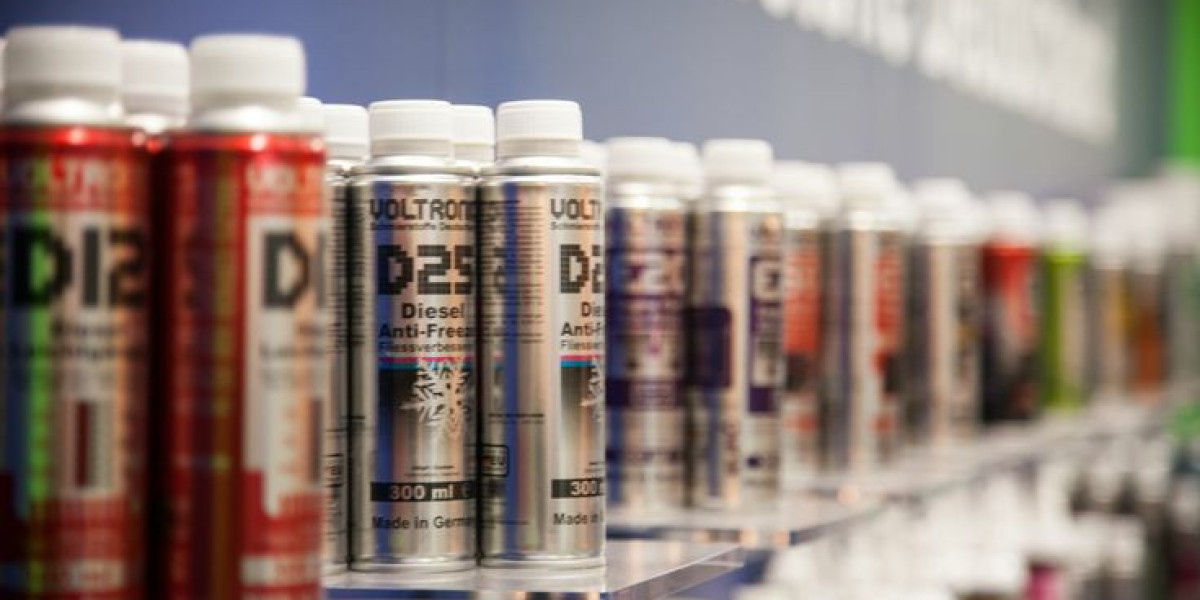

The Germany Lubricants Market is evolving as manufacturers demand innovative solutions capable of supporting advanced machinery and transportation systems. The market is expected to grow steadily in the coming decade due to technological advancements, increased industrial automation, and rising demand for energy-efficient products. Lubricants are widely used across various applications including automotive engines, industrial equipment, marine machinery, and construction vehicles.
Germany’s automotive sector continues to dominate lubricant consumption. The country produces millions of vehicles annually and hosts some of the world’s most prominent automotive manufacturers. Lubricants such as engine oil, gear oil, hydraulic fluids, and greases are essential for ensuring optimal vehicle performance and durability. Even as the industry transitions toward electric mobility, lubrication remains vital for transmissions, bearings, and other mechanical components.
Another important factor influencing market growth is the country’s strong industrial manufacturing sector. Germany’s machinery, metalworking, and engineering industries require high-quality lubricants to maintain operational efficiency and reduce maintenance costs. As industries increasingly adopt automation and precision manufacturing technologies, the demand for advanced lubricants that support high-speed machinery and complex production processes continues to rise.
Technological innovation is also transforming the lubricant landscape. Manufacturers are developing advanced synthetic formulations designed to withstand extreme temperatures and heavy loads. These products provide improved durability, longer service intervals, and greater energy efficiency, making them attractive to industries seeking cost-effective solutions.
The Germany lubricants market outlook indicates a growing emphasis on environmentally sustainable products. Bio-based lubricants derived from renewable sources are gaining traction as industries attempt to reduce carbon emissions and comply with environmental regulations. These eco-friendly lubricants offer comparable performance while minimizing environmental impact.
Digitalization is another emerging trend in the lubricant industry. Companies are implementing IoT-enabled monitoring systems that track lubricant conditions and machine performance in real time. This allows businesses to implement predictive maintenance strategies that extend equipment lifespan and reduce unexpected failures.
However, the market also faces structural challenges. The gradual shift toward electric vehicles may decrease the demand for traditional engine oils in the long term. At the same time, stricter environmental regulations are forcing lubricant manufacturers to adapt formulations and production processes.
Despite these challenges, Germany’s lubricants industry is expected to remain strong due to its advanced industrial ecosystem and continuous innovation. As manufacturing technologies evolve and sustainability becomes a priority, the demand for high-quality lubrication solutions will continue to support industrial productivity and technological progress.