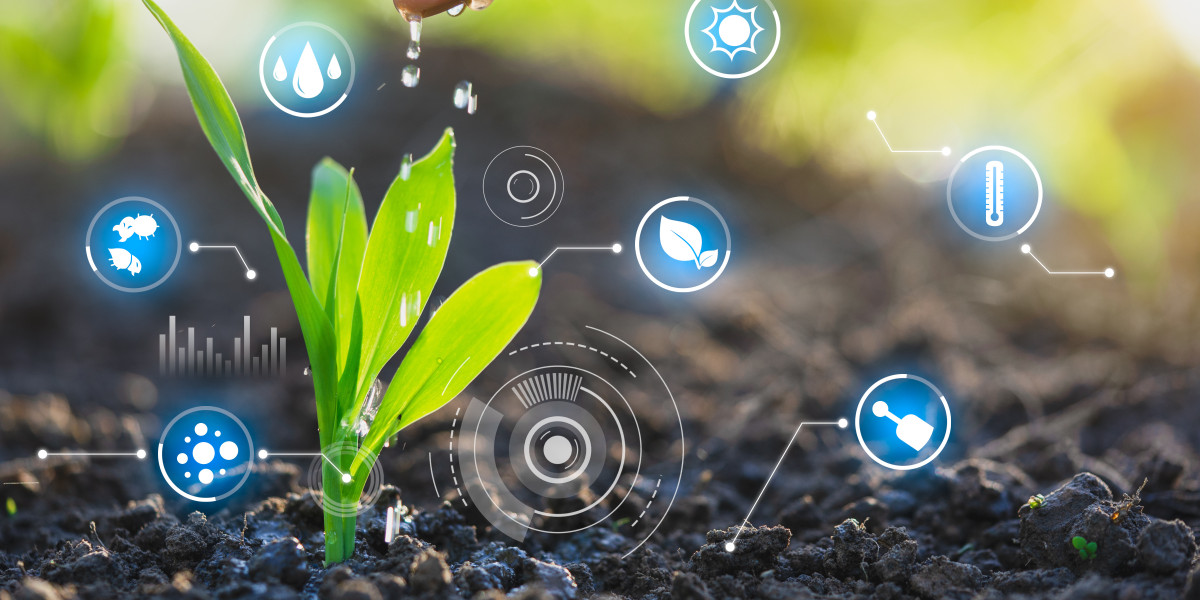

The foundation of any smart water management system is the physical hardware layer of sensors, meters, and communication devices that collect the essential data, forming a digital nervous system for the water grid. A hardware-focused market analysis of the smart water management market shows that this segment is a critical enabler of the entire industry's value proposition. Key points related to the smart water management market's hardware include the central role of Advanced Metering Infrastructure (AMI). AMI consists of smart water meters that can measure consumption in near real-time and communicate that data back to the utility wirelessly. Key players like Itron, Badger Meter, and Sensus (a Xylem brand) are global leaders in this space, providing not just the meters but also the associated communication networks and head-end software. The future in the smart water management market for hardware is a move towards more sophisticated, multi-functional sensors. Regionally, North America and Europe are major markets for AMI deployments as they replace aging meters, while the APAC region represents a massive "greenfield" opportunity as it builds out new urban infrastructure.
Beyond smart meters, the hardware market is composed of a diverse array of IoT sensors designed to monitor the health and performance of the water distribution network. A key point is the importance of these sensors in enabling proactive management. This includes acoustic sensors that "listen" for the distinct sound of a water leak in a pipe, pressure sensors that can detect sudden drops or spikes that may indicate a pipe burst, and water quality sensors that can continuously monitor parameters like pH, turbidity, and chlorine levels in the network. Key players like Xylem and various specialized IoT sensor companies are innovating in this space, developing more accurate, low-power, and cost-effective sensors. The smart water management market size is projected to grow USD 31.42 Billion by 2035, exhibiting a CAGR of 5.14% during the forecast period 2025-2035. This growth is heavily dependent on the continued cost reduction and proliferation of these advanced sensors, which provide the granular data needed for applications like predictive maintenance and real-time quality monitoring across all regions, from North America to the MEA.
The future in the smart water management market for hardware is one of greater intelligence at the "edge" and deeper integration. A key point for the future is the embedding of AI and machine learning algorithms directly into the sensors and meters themselves. This would allow for on-device analysis, such as a sensor that can not only detect the sound of a leak but can also classify its size and severity before sending an alert, reducing the amount of data that needs to be transmitted and processed centrally. The future will also see the integration of new communication technologies, like 5G and LPWAN (Low-Power Wide-Area Networks), to provide more reliable and cost-effective connectivity for a massive number of distributed sensors. Key players in the semiconductor and telecommunications industries are becoming increasingly important partners in the smart water ecosystem. This trend towards more intelligent and better-connected hardware will be global, with the advanced networks in North America and Europe providing a testbed, and the massive scale of APAC driving down costs. The resource-monitoring needs of South America and the MEA will also drive demand for these advanced, low-power sensor networks.
In summary, the key points of the hardware segment highlight the foundational role of smart meters (AMI) and a growing ecosystem of IoT sensors for leak detection, pressure, and quality monitoring. The market is led by specialized metering and sensor key players who are continuously innovating. The future in the smart water management market for hardware is one of greater on-device intelligence (edge AI) and more advanced connectivity options. The deployment of this sensory network is a global imperative for creating a truly smart water grid, with different regions—North America, Europe, APAC, South America, and the MEA—adopting these technologies to address their specific challenges, from aging infrastructure to water scarcity.
Top Trending Reports -
GCC Centralised Workstations Industry