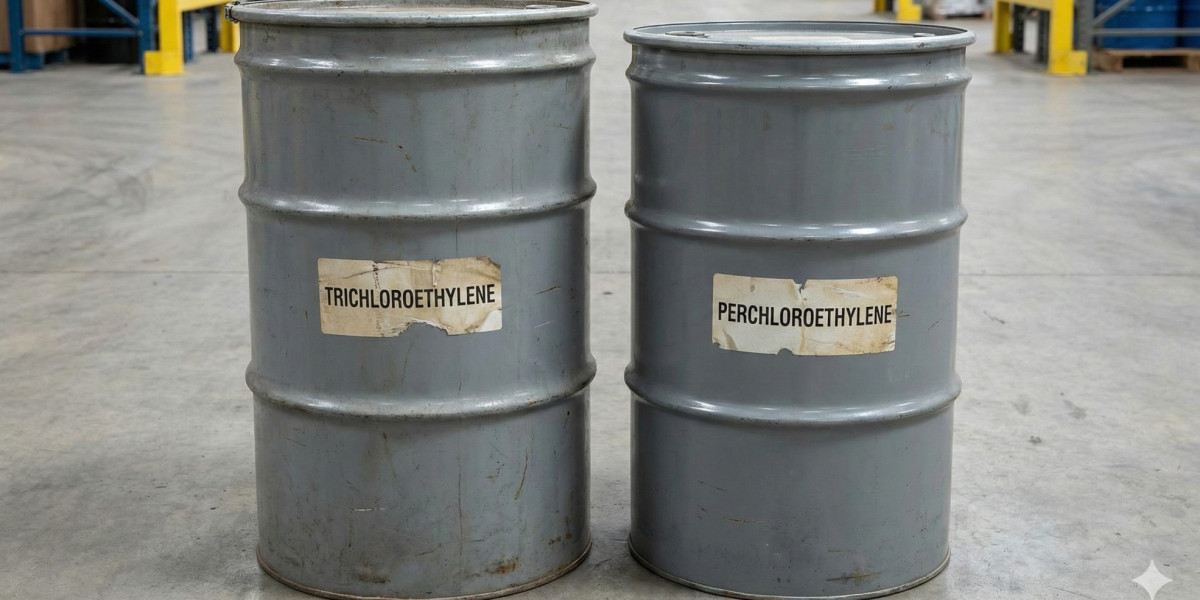

In the high-stakes aerospace sector of early 2026, the demand for absolute component cleanliness has solidified the role of specialized chlorinated solvents. Trichloroethylene (TCE) is particularly valued for its unmatched ability to flush hydrocarbon deposits from rocket engines and precision turbine parts. During the maintenance and launch preparations for modern heavy-lift vehicles, TCE is utilized to ensure that fuel systems are free of residues that could cause catastrophic ignition failures. This "mission-critical" solvency power, combined with a high evaporation rate that leaves no residue, makes TCE and PCE essential for maintaining the structural integrity of the complex alloys used in the defense and space industries, where performance tolerances are measured in fractions of a millimeter.
According to a recent report by Market Research Future, the Trichloroethylene Perchloroethylene Market is benefiting from the resurgence of global aerospace manufacturing and a 22.7% year-over-year rise in semiconductor sales. The market is projected to reach a significant valuation by 2032, driven by a compound annual growth rate (CAGR) of 4%. This growth is a central pillar of recent Trichloroethylene Perchloroethylene Market Size analysis, which highlights how the rising investment in the global defense sector is fueling demand for high-performance degreasing agents. As manufacturers in the Asia-Pacific region—currently the largest market for these chemicals—expand their fabrication plants, the need for high-purity solvents to maintain cleanroom standards has become a definitive benchmark for industrial quality control.
Looking toward 2035, the market is poised to be redefined by "Smart-Solvent Management" and the expansion of the niche pharmaceutical cleaning sector. We are seeing the development of real-time concentration monitoring systems that allow aerospace engineers to maximize solvent life while ensuring 100% degreasing efficiency. Additionally, the move toward "Electronic-Grade" TCE for cleaning silicon wafers is opening new frontiers in the precision electronics industry. As North America and Europe implement tighter workplace safety standards, the industry is pivoting toward specialized, high-purity formulations that offer lower toxicity without sacrificing the aggressive cleaning power required for heavy machinery. By 2035, the market will likely be defined by Precision Containment, providing the essential, high-strength, and high-purity chemical tools required to support a safer and more technologically advanced global manufacturing economy.