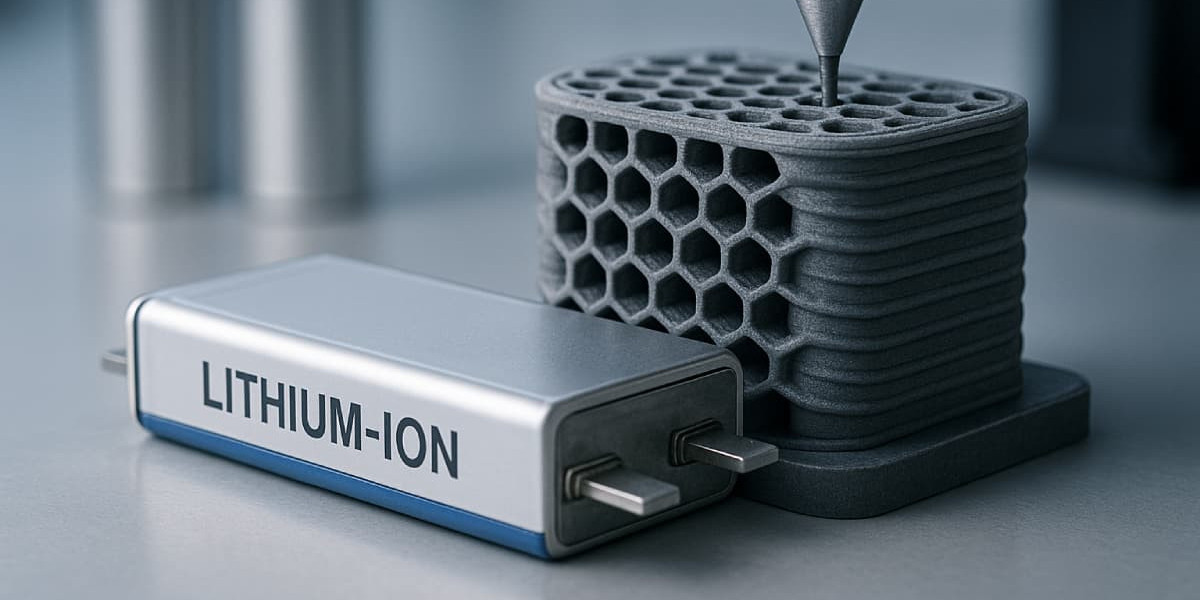

The battery industry is moving from a phase of early adoption to one of large-scale industrialization. This shift is changing priorities across the value chain, with greater emphasis on efficiency, quality control, and long-term reliability. Supporting materials such as dispersants are becoming more visible in strategic planning because they influence both manufacturing performance and final product consistency.
As battery applications diversify, from passenger vehicles to grid storage and industrial equipment, production requirements become more varied and demanding. Each application has different expectations for energy density, cycle life, and safety, which in turn affects electrode formulation. Dispersants help manage this complexity by enabling stable and uniform mixtures across a wide range of material systems.
According to a recent report by Market Research Future, the Lithium Ion Battery Dispersant Market is positioned to benefit from these long-term structural changes in energy storage manufacturing. The broader Lithium Ion Battery Dispersant Industry Outlook suggests that growth will be supported by continued investment in production capacity, ongoing improvements in battery chemistry, and the push for higher process efficiency.
Automation and digitalization are also influencing material requirements. As factories adopt more advanced monitoring and control systems, they need materials with predictable and stable behavior. Dispersants that deliver consistent performance across batches and operating conditions are better suited to these high-precision environments, reinforcing their strategic value.
Sustainability considerations are becoming more prominent as well. Manufacturers are under pressure to reduce waste, improve energy efficiency, and lower the environmental impact of their operations. Dispersant formulations that support higher yields, reduce rework, or enable greener processing routes can contribute meaningfully to these goals.
Geographically, the industry outlook remains positive across major battery-producing regions. While Asia-Pacific continues to lead in capacity expansion, North America and Europe are accelerating investments to build more resilient domestic supply chains. Each new project increases demand for specialty chemicals that support reliable and scalable manufacturing.
In the long term, the success of dispersant suppliers will depend on their ability to align with evolving battery technologies and manufacturing strategies. Those that invest in application development, technical service, and sustainable innovation are likely to be well positioned as the industry continues to mature.