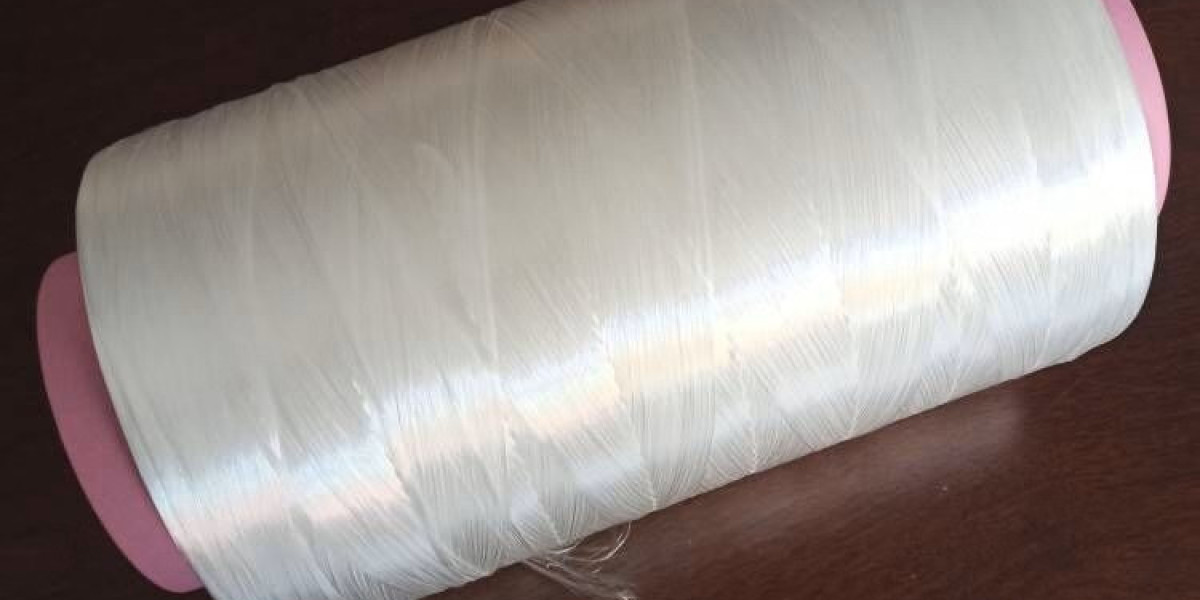

The demand for materials that combine strength, durability, and lightweight characteristics has intensified across many industries. Ultra high molecular weight polyethylene fiber meets these needs by offering exceptional tensile properties while remaining significantly lighter than traditional alternatives. This unique combination has positioned the fiber as a preferred choice in applications ranging from protective equipment and marine ropes to medical devices and industrial components.
According to a recent report by Market Research Future, the Ultra High Molecular Weight Polyethylene Fiber Market is supported by expanding use in safety-critical and performance-driven sectors. As regulatory standards for protection and reliability become more demanding, manufacturers increasingly turn to advanced materials that can deliver higher performance without compromising usability or efficiency.
Evaluating Ultra High Molecular Weight Polyethylene Fiber Market Growth involves understanding how end-use industries are evolving. In personal protective equipment, for example, there is strong demand for lighter armor and cut-resistant gear that improves comfort and reduces fatigue for users. The fiber’s high strength-to-weight ratio directly addresses these requirements, supporting wider adoption in both civilian and professional safety equipment.
The defense sector continues to play a major role in driving expansion. Modernization programs emphasize mobility, endurance, and protection, all of which benefit from lighter materials. By enabling the production of advanced ballistic systems and vehicle protection components, UHMWPE fiber contributes to improved operational effectiveness while also reducing logistical burdens associated with heavier equipment.
Industrial and marine applications further reinforce growth momentum. High-strength ropes, mooring lines, and lifting slings made from this fiber offer easier handling and reduced risk compared to steel alternatives. These advantages translate into safer working conditions and more efficient operations, making the material attractive for ports, offshore platforms, and heavy manufacturing environments.
Healthcare applications provide another source of demand. The use of UHMWPE in orthopedic implants and surgical tools reflects its reliability and wear resistance. As healthcare systems expand and focus on long-lasting solutions that reduce revision rates and maintenance, the importance of proven materials supports continued uptake in medical settings.
Technological innovation plays a critical supporting role. Improvements in fiber production, surface treatment, and composite integration expand the range of feasible applications and enhance performance consistency. These advances lower barriers to adoption by making the material easier to process and more predictable in behavior.
Geographic expansion of industrial activity also contributes to growth. As emerging economies invest in infrastructure, manufacturing, and safety standards, demand for advanced materials rises. This creates new opportunities for suppliers and encourages the development of regional production and technical support capabilities.
Overall, growth in this segment reflects a broader shift toward high-performance, lightweight solutions across multiple industries. As performance expectations continue to rise, UHMWPE fiber is likely to remain a key enabler of safer, more efficient, and more durable products.